Aluminum Plant Care: Pilea Cadierei, Size and Cuttings
Updated · Sproutly
Give an aluminum plant bright indirect light and water when the upper mix starts to dry. Keep the pot draining freely. This silver-patterned foliage plant is Pilea cadierei; “aluminium plant” is another spelling of the same name.
Identify the silver leaves and plan for a bushy plant
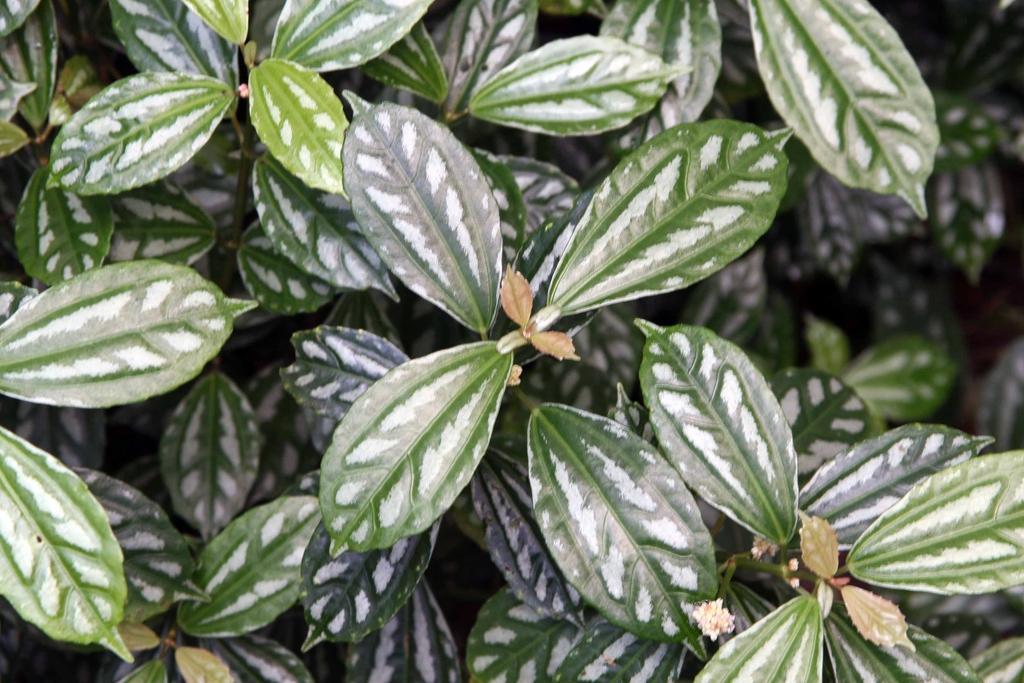
The silver patches repeat across the leaves. They are a normal identification feature, rather than a reason to treat the plant for leaf damage.
Photo: David J. Stang / NC State Extension Plant Toolbox. CC BY-SA 4.0. Resized for display.
Look for opposite pairs of toothed green leaves with silvery patches between the veins. UF/IFAS describes the patterned leaves and spreading growth. Compare several leaves and the label; a single silver mark is not enough to identify a plant.
The RHS species profile describes a bushy plant around 30 cm / 12 in tall. Treat this as a guide to its habit, not a height that every pot reaches on a schedule. A young cutting, a regularly pinched plant and an older plant with long stems will look different. Small flowers can appear, but the foliage is the main attraction.
Our Chinese money plant guide covers Pilea peperomioides, which has rounded, coin-like leaves. Its familiar offset routine should not replace the stem-cutting method for this species.
Choose light, drainage and room conditions together
| Factor | Starting point | Check at home |
|---|---|---|
| Light | Bright indirect light | Look at the light reaching the leaves. A dim shelf and a hot sunlit sill can both cause problems for different reasons. |
| Mix and pot | Free-draining houseplant compost in a pot with holes | Remove standing runoff from the saucer or outer pot. |
| Water | Check when the upper 2 cm / about 1 in begins to dry | Compare deeper moisture and pot weight before watering again. |
| Room | Warm, away from chilly drafts | Keep foliage from pressing against cold glass. |
| Humidity | A humid position with ventilation | Persistent condensation and wet, crowded leaves are reasons to improve airflow. |
RHS guidance for pileas links weak, straggly growth to very low light and warns about summer sun scorch. Move a struggling plant toward a better exposure gradually and judge the next leaves. Moving it cannot repair old scorched tissue.
Aluminum plant can suit a terrarium, as the RHS species profile notes, but leave space for its stems. Inspect for crowding or spreading mould instead of assuming a closed container will always regulate itself.
Use the pot to decide when to water
Lift the pot after a thorough watering and again as it dries. This gives you a comparison for your own mix and container. Check beneath the surface, especially when a nursery pot sits inside a decorative one. A dry-looking top can hide a wet center.
- Light pot and drying upper mix: water evenly, allow excess to drain, and empty the saucer.
- Heavy pot and wet center: wait. Check that holes are open and the pot is not sitting in runoff.
- Wilt despite wet mix: investigate drainage and roots before adding another drink.
In a darker or cooler season, the same pot may take longer to dry. NC State recommends reducing watering as growth slows. A reminder can prompt a moisture check, but it cannot tell you whether the root ball is ready.
If roots crowd the pot or the mix has deteriorated, repot into a container only slightly larger than the healthy root system. The RHS growing guide cautions against overpotting. Use the pot-size calculator to compare the next size.
Shorten leggy stems and start new cuttings
Pinching growing tips encourages a fuller shape; NC State describes this approach for aluminum plant. First improve a dim growing position, then shorten selected long stems. Pruning alone will not stop new growth stretching toward inadequate light.
RHS recommends soft stem-tip cuttings for Pilea cadierei in spring or summer. Use a healthy shoot with stem nodes, rather than treating a detached leaf as a complete cutting.
- Choose firm, healthy growth and use a clean blade. Keep a growing tip and nodes on the cutting.
- Remove lower leaves that would be buried and insert the stem into a small pot of airy propagation mix.
- Keep the mix lightly moist and the air humid while roots establish, with bright indirect light. Ventilate a cover if moisture remains heavy or decay develops.
- Wait for rooting and sustained new growth before moving into a larger pot. A cutting with a softening base needs inspection, not more water.
The node guide shows where a leaf meets its stem. Keep a healthy parent plant while cuttings establish; there is no need to replace it simply because another year has passed.
Compare new damage with normal silver markings
| Observation | Check | Next action |
|---|---|---|
| Regular silver patches on otherwise firm leaves | Whether the pattern repeats on healthy new leaves | Compare with the reference photo before treating normal coloration. |
| Long stems with widely spaced leaves | Light reaching the growing tips | Improve exposure, then prune selected stems to rebuild the shape. |
| Wilt or yellowing while the pot stays wet | Drainage, standing water and root condition | Use the overwatering guide if the plant continues to decline. |
| New bleached or brown patches after a move | Recent direct sun and heat exposure | Reduce harsh exposure and monitor subsequent growth. |
| Fine speckles, webbing or cottony insects | Leaf undersides and stem junctions | Isolate and identify the pest before choosing a treatment. |
UF/IFAS highlights mite damage in hot, dry conditions. NC State also lists mealybugs, scale and aphids. Use the pest identifier for those signs, or the overwatering guide when the pot and roots are the concern. A photograph taken from the same angle helps you distinguish old marks from spreading damage.
Check the species around pets
The ASPCA lists aluminum plant as non-toxic to cats and dogs, using the spelling Pilea cadieri. That listing does not make the plant food or identify every houseplant sold under a similar common name. Keep discarded cuttings and treated plants away from chewing pets; contact a veterinarian if an animal becomes unwell after chewing a plant.
Frequently Asked Questions
Yes. Both spellings refer to Pilea cadierei in this guide. Confirm the botanical name and its pointed, silver-patterned leaves when buying a plant.
RHS describes a bushy plant around 30 cm / 12 in tall. Light, age, pruning and growing conditions affect its shape; a long, sparsely leaved stem is not a useful target for mature size.
Check when the upper mix begins to dry and the pot feels lighter. Water thoroughly when needed and drain. If the center remains wet, wait rather than following a fixed weekly interval.
Check for inadequate light, then assess whether older stems need shortening. Improve light gradually and pinch selected growing tips. Healthy stem tips can be used for cuttings.
Yes. Use healthy stem-tip cuttings with nodes, an airy propagation mix and humid conditions while roots establish. Spring and summer are the RHS-recommended seasons.
The ASPCA lists aluminum plant as non-toxic to both. Confirm the plant identity and keep pets from eating foliage, fertilizer or potting mix.
Sources & further reading
- NC State Extension: aluminum plant care, pinching and pests
- RHS: Pilea cadierei size and terrarium suitability
- RHS: light and watering for pileas
- RHS: repotting and propagating pileas
- UF/IFAS: leaf identification, habit and mite damage
- ASPCA: aluminum plant pet-safety listing
This guide combines the references above with practical decision steps for home growers. Conditions and cultivars vary. How we approach plant guidance · Suggest a correction