Why Are My Plant Leaves Turning Brown?
Last Updated: June 2026 · 8 Causes Covered
Direct Answer
Brown leaf tips are almost always caused by low humidity or inconsistent watering. Brown patches or spots suggest sunburn, disease, or root problems. The key to diagnosis: where is the browning? Tips/edges = environmental stress. Middle of leaf = light or disease. Base = root rot.
Quick Triage: Where Is the Browning?
The location of the brown tissue tells you the cause category instantly.
Tips & Edges
- Low humidity
- Underwatering
- Mineral buildup (tap water)
- Overfertilization
Spots & Patches
- Sunburn
- Fungal / bacterial disease
- Pest damage
Whole Leaf / Base
- Overwatering / root rot
- Cold damage
Visual Guide: Match Your Pattern
Compare your plant's browning to these reference images.
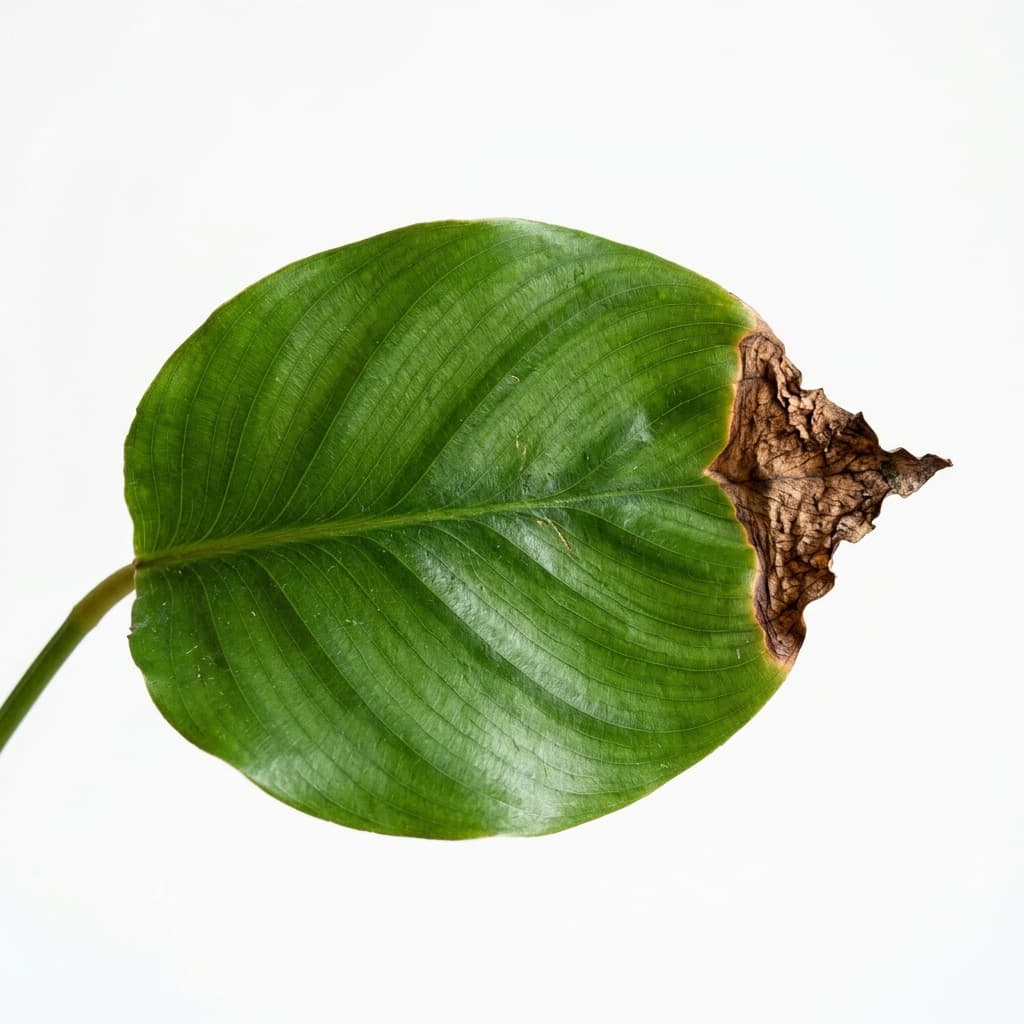
Crispy Tips
Low humidity or underwatering
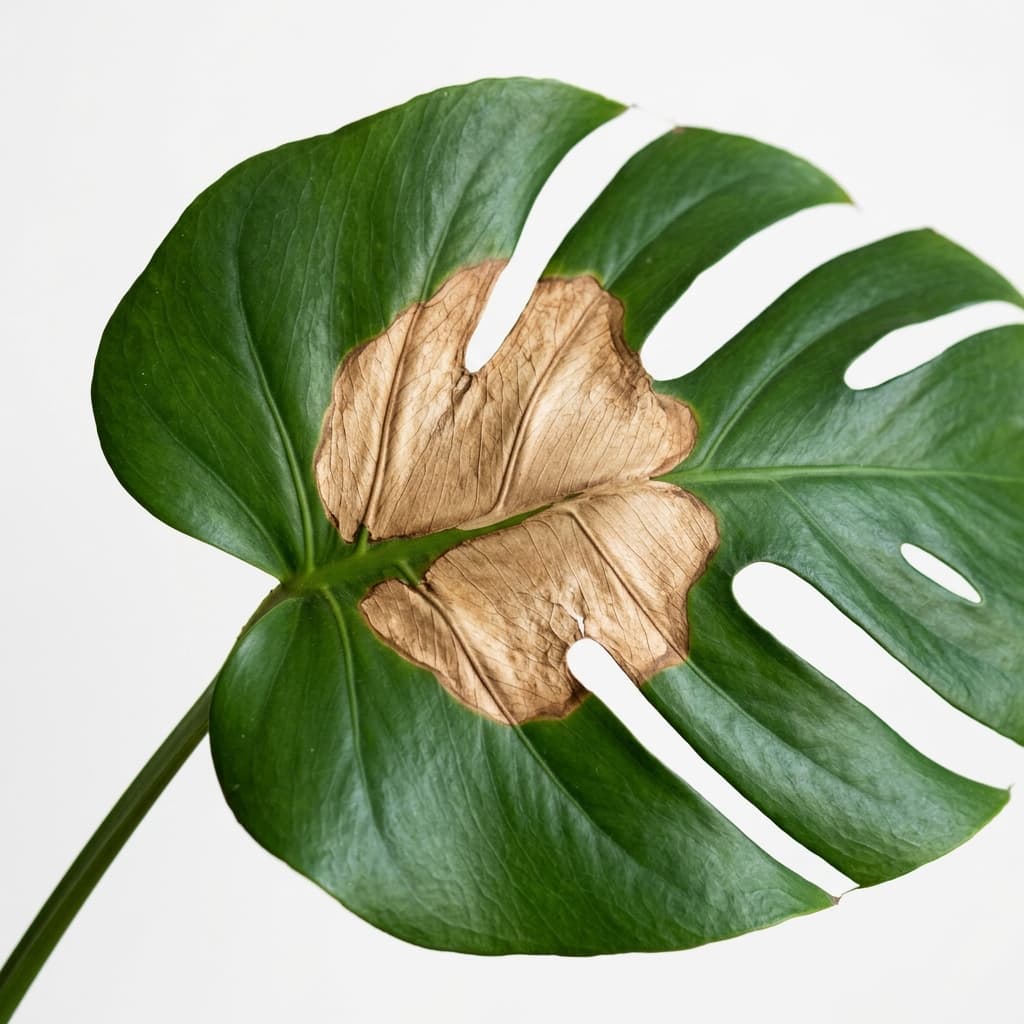
Sunburn
Bleached patches, papery texture
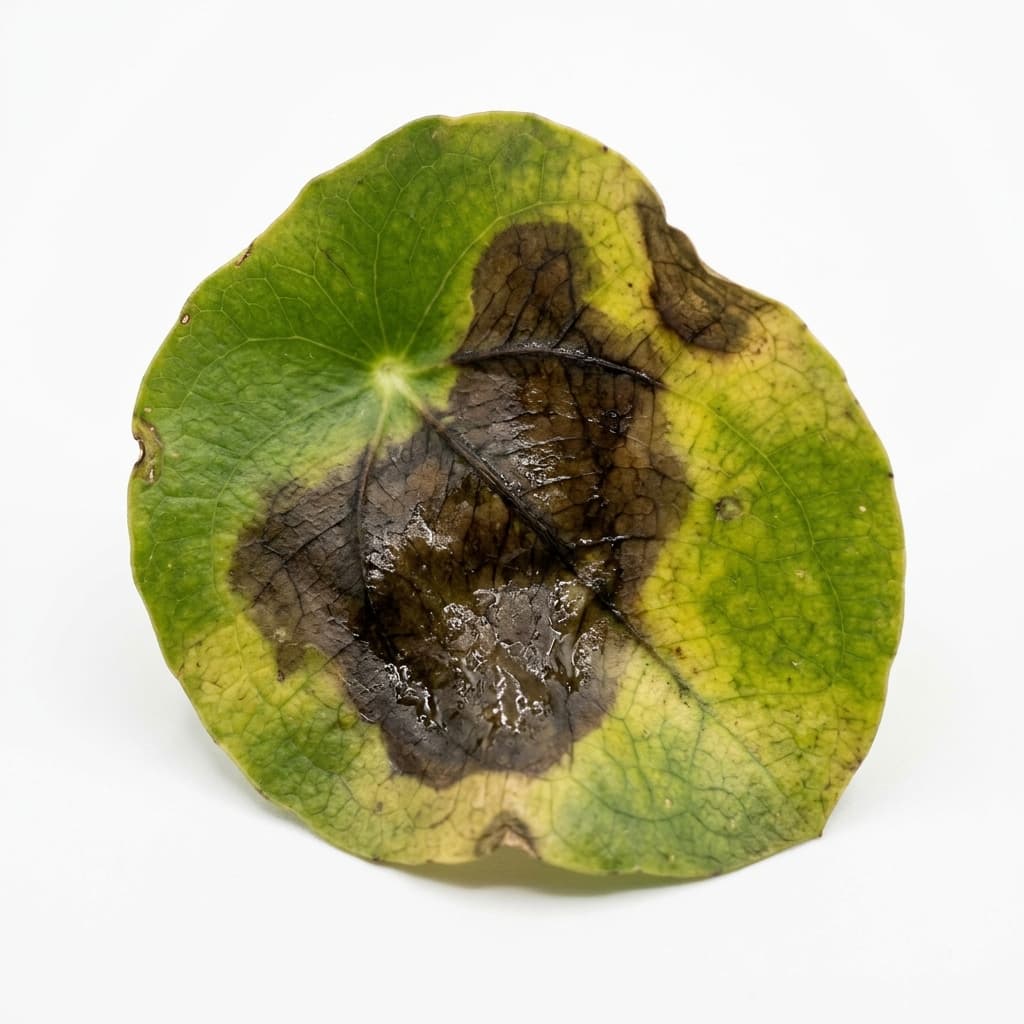
Root Rot
Dark, mushy, wet-looking
Full Diagnosis Table
Find the browning pattern that matches your plant and follow the targeted fix.
| Brown Pattern | Cause | Texture | Urgency |
|---|---|---|---|
| Crispy tips only | Low humidity | Dry, papery | Medium |
| Tips + edges progressively | Underwatering | Dry, curling | Medium |
| White/tan crispy tips | Mineral / fluoride buildup | Hard, crusty | Low |
| Bleached tan patches | Sunburn | Papery, dry | Medium |
| Dark spots with yellow halos | Fungal / bacterial disease | Sometimes wet | High |
| Dark, mushy, wet-looking | Overwatering / root rot | Soft, slimy | High |
| Brown + crispy edges with salt crust | Overfertilization | Dry, burnt | Medium |
| Entire lower leaf turns brown | Natural aging | Varies | None |
Brown Tips on Houseplant Leaves: Most Likely Causes
If only the tips are brown and crispy, start here before treating for pests or disease.
| Plant / Situation | Most Likely Cause | First Fix |
|---|---|---|
| Calathea, fern, peace lily | Low humidity or inconsistent moisture | Use a humidifier and keep soil evenly moist, not soggy. |
| Spider plant or dracaena | Minerals, fluoride sensitivity, dry air | Try filtered water and flush salts from soil. |
| Monstera or pothos | Watering swings or root stress | Check root zone moisture and drainage. |
| Brown tips after feeding | Fertilizer salt burn | Flush soil and pause feeding for 6-8 weeks. |
The 8 Causes (+ How to Fix Each One)
1. Low Humidity
Most Common · Tips & EdgesIndoor air — especially in winter with heating — often drops to 20-30% humidity, while most tropical houseplants need 50-60%. The leaf tips, being the thinnest and furthest from the water supply, dry out first. You'll see crispy, papery brown tips that gradually extend down the leaf edge.
Recovery Steps:
- Get a humidifier — the single most effective solution. Aim for 50-60% around your plants.
- Group plants together — they create a microclimate of higher humidity through transpiration.
- Use a pebble tray — fill a tray with pebbles and water, set the pot on top (not touching the water).
- Move away from heat sources — radiators and heating vents drastically reduce local humidity.
2. Underwatering
Common · Tips, Edges & CurlingIf the soil is dry and the entire leaf edge (not just the tips) is browning, with leaves curling inward or feeling papery, the plant is dehydrated. The browning starts at tips but progresses along the entire margin. The leaf may also droop.
Recovery Steps:
- Water thoroughly — soak the soil until water runs from drainage holes. If the soil has become hydrophobic (water runs off the top), try bottom-watering.
- Establish a consistent schedule — use the finger test or a moisture meter to check regularly.
- Check if rootbound — a severely rootbound plant dries out much faster. Repot if roots are circling the pot.
3. Sunburn
Common · Patches in Leaf CenterSunburn creates bleached, tan or white-brown patches in the middle of the leaf — wherever direct sun hit. The patches are dry and papery, with a crisp texture. This commonly happens when a plant is suddenly moved from low light to direct sun, or in summer when sun intensity increases.
Recovery Steps:
- Move out of direct sun immediately. Bright indirect light is sufficient for most houseplants.
- Don't remove damaged leaves yet — they can still photosynthesize from the green portions.
- When relocating plants to brighter spots, acclimate gradually over 1-2 weeks to prevent future burns.
4. Fungal or Bacterial Disease
Serious · Spots with HalosFungal leaf spot appears as circular brown or black spots, often surrounded by a yellow "halo." Bacterial infections produce similar spots that may look water-soaked or oily. Both are promoted by wet leaves, poor air circulation, and overcrowding.
Recovery Steps:
- Isolate the plant to prevent spread to other plants.
- Remove all affected leaves with sterilized scissors. Dispose of them — don't compost.
- Stop misting and overhead watering — wet foliage is the primary vector.
- Improve air circulation and ensure spacing between plants.
- Apply a copper-based fungicide for persistent fungal issues.
→ See our common plant diseases guide for identification help.
5. Overwatering & Root Rot
Serious · Mushy Dark BrownWhen browning is dark, mushy, and wet-looking — especially at the base of the leaf or near the stem — root rot is likely. The brown areas feel soft rather than crispy. The soil is often waterlogged, and there may be a foul smell.
Recovery Steps:
- Stop watering and remove the plant from its pot.
- Inspect roots — trim all brown, mushy, smelly roots with sterile scissors.
- Repot in fresh, well-draining soil with drainage holes.
- Wait 5-7 days before the first watering in new soil.
→ Full protocol in our overwatered plant rescue guide.
6. Mineral Buildup & Tap Water
Moderate · Whitish-Brown TipsFluoride, chlorine, and mineral salts in tap water accumulate in the soil over time and burn leaf tips. Sensitive plants like Calatheas, Dracaenas, and Spider Plants are particularly affected. You may also see a white crust forming on the soil surface.
Recovery Steps:
- Switch to filtered, distilled, or rainwater for sensitive species.
- Flush the soil — run water through the pot for several minutes to leach out accumulated salts.
- Let tap water sit overnight before use — this allows chlorine (not chloramine) to evaporate.
7. Overfertilization
Moderate · Burnt EdgesToo much fertilizer causes "fertilizer burn" — a salt buildup in the soil that draws moisture away from roots. Symptoms include brown, crispy leaf edges, stunted growth, and sometimes a white salt crust on the soil surface. Over-enthusiastic fertilizing is more damaging than under-fertilizing.
Recovery Steps:
- Flush the soil thoroughly — run water through the pot for 5-10 minutes to wash out excess salts.
- Skip fertilizing for 6-8 weeks to let the plant recover.
- When you resume, dilute to half the recommended strength. Less is always safer.
8. Cold Damage
Seasonal · Sudden BrowningExposure to cold drafts, touching cold windows, or sudden temperature drops can cause rapid browning. Damaged areas turn dark brown or black and often feel water-soaked before drying out. Tropical plants are especially vulnerable below 50°F (10°C).
Recovery Steps:
- Move away from cold sources — windows, exterior doors, AC vents.
- Trim damaged tissue once it dries out completely.
- Ensure stable temperatures between 60-80°F (15-27°C).
Common Mistakes When Leaves Turn Brown
Avoid these overcorrections that make browning worse.
Misting directly on brown tips
Misting doesn't meaningfully raise humidity. And wet leaf tips can promote fungal growth, worsening the problem.
Cutting into green tissue when trimming
When trimming brown edges, cut just before the brown-green boundary, leaving a tiny margin. Cutting deep into green tissue creates a new wound that will also brown.
Overwatering to compensate for dry tips
If brown tips are from humidity (not watering), adding more water leads to root rot — a much worse problem. Check soil moisture before adding water.
Related Answers
Frequently Asked Questions
Yes, fully brown leaves won't recover and should be removed. For partially brown leaves, you can trim just the brown edges with clean scissors, cutting slightly into the green tissue. This improves appearance without removing the entire leaf and allows the remaining green tissue to continue photosynthesizing.
No. Brown leaf tissue is dead — the cells have collapsed and cannot regenerate. The plant will produce new healthy leaves once the underlying cause is fixed, but existing brown tissue will never recover. Focus on preventing further browning rather than trying to reverse it.
Brown tips are almost always caused by low humidity, inconsistent watering, or mineral buildup from tap water. The tips are the farthest point from the roots and the first area to lose moisture. Try misting, using a humidifier, or switching to filtered water.
Brown tips on houseplant leaves usually come from dry air, inconsistent watering, mineral salts from tap water or fertilizer, or a root system that cannot move water efficiently. If the rest of the leaf is green and firm, start with humidity and water quality before assuming disease.
Yes — the location of the browning tells you the cause. Brown edges/tips = humidity or watering issue (environmental). Brown spots in the middle of the leaf = sunburn, fungal disease, or pest damage (localized). Brown at the base/stem = root rot (systemic). The treatment differs significantly for each.
Most houseplants produce new growth within 2-6 weeks once conditions improve. Fast growers like Pothos may show new leaves in 1-2 weeks. Slower growers like Fiddle Leaf Fig may take 4-8 weeks. The existing brown leaves won't improve, but no new damage should appear.
Let Sproutly simplify plant care.
Identify plants, understand likely issues, and get care schedules that fit your home.